🌳 Problem Tree Template and Use Cases
Ready-to-use templates and real-world examples showing how to apply problem tree analysis across different sectors and contexts, from health and education to environment and economic development.
🎯 What You’ll Get
✅ Complete template with step-by-step instructions
✅ Real-world examples from successful projects
✅ Sector-specific adaptations for health, education, environment, and economic development
✅ Common patterns that work across different contexts
✅ Quality criteria for evaluating your problem tree
📋 The Universal Problem Tree Template
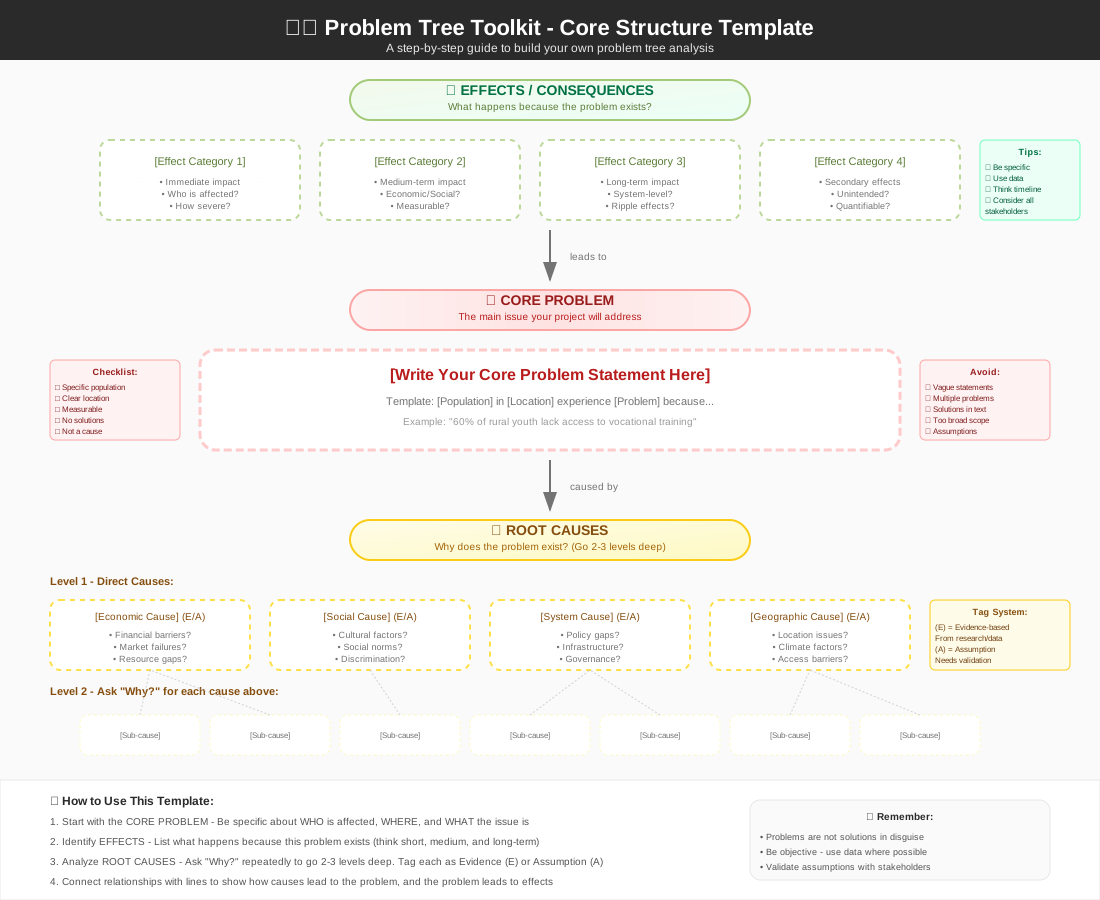
Core Structure
🌿 EFFECTS (What happens because of the problem?)
├── Primary Effect 1: Immediate consequence
├── Primary Effect 2: Direct impact on beneficiaries
└── Secondary Effects: Long-term systemic impacts

🌳 CORE PROBLEM (The central issue)
Clear, specific, measurable problem statement

🌱 ROOT CAUSES (Why does the problem exist?)
├── Direct Cause 1: Immediate factors
├── Direct Cause 2: Proximate drivers
└── Underlying Causes: Systemic factors
Problem Statement Formula
[Specific population] + [experiences/lacks] + [specific condition] + [in defined context] + [with measurable indicator]
Example: “Rural women farmers in Western Kenya experience 40% lower crop yields due to limited access to improved seeds and agricultural training, affecting 15,000 households across 50 villages.”
🏥 Health Sector Example
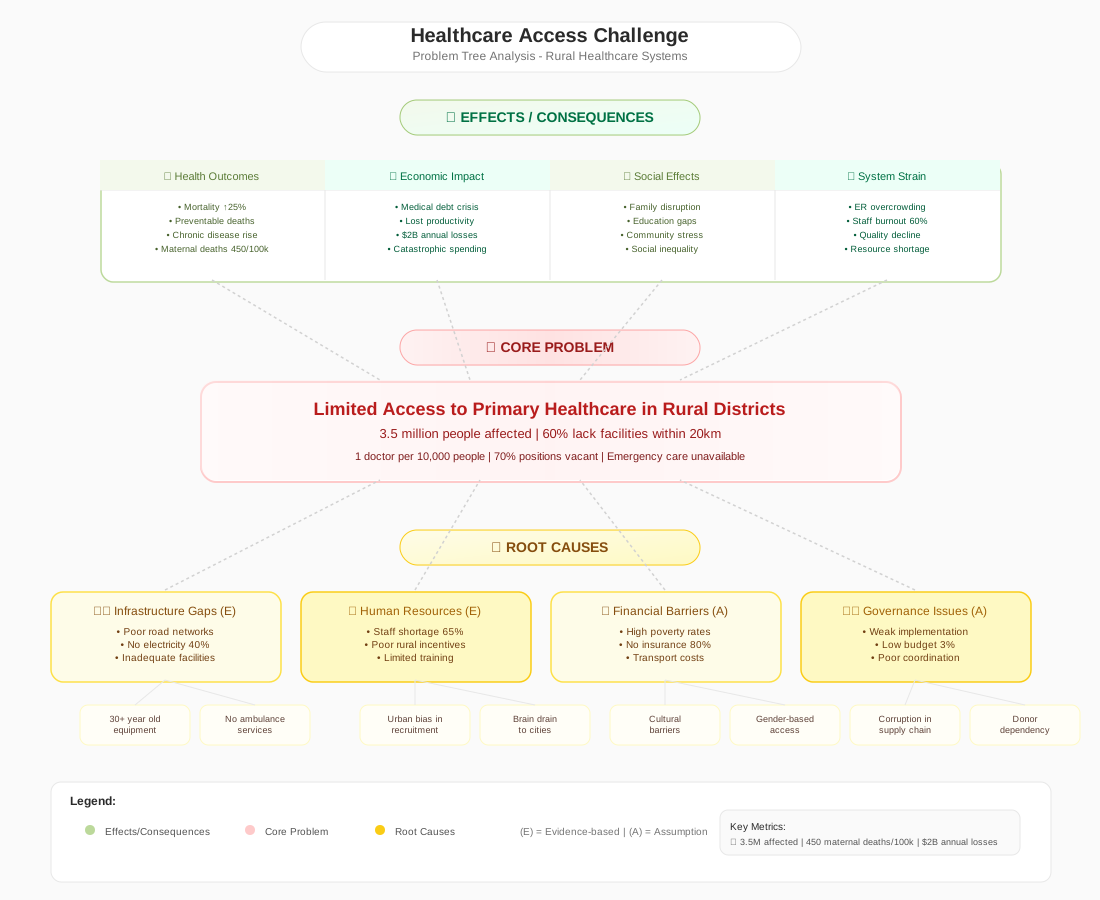
Problem Tree: Maternal Mortality in Rural Areas
🌿 EFFECTS
- High infant mortality rates (secondary)
- Reduced family economic productivity (secondary)
- Increased healthcare costs for emergency interventions (primary)
- Psychological trauma for families and communities (primary)
🌳 CORE PROBLEM Pregnant women in rural Malawi have limited access to skilled birth attendants, resulting in maternal mortality rate of 349 deaths per 100,000 live births - 3x the national average.
🌱 ROOT CAUSES
- Direct Causes:
- Shortage of trained midwives in rural health centers
- Long distances to nearest health facility (average 15km)
- Lack of transportation for emergency cases
- Underlying Causes:
- Limited government health budget allocation to rural areas
- Cultural preference for traditional birth attendants
- Weak referral system between community and hospital levels
Key Insights from This Example
- Specific population: Pregnant women in rural Malawi
- Measurable problem: 349 deaths per 100,000 live births
- Context: Rural areas with limited health infrastructure
- Clear cause-effect logic: Shows how structural issues lead to preventable deaths
🎓 Education Sector Example
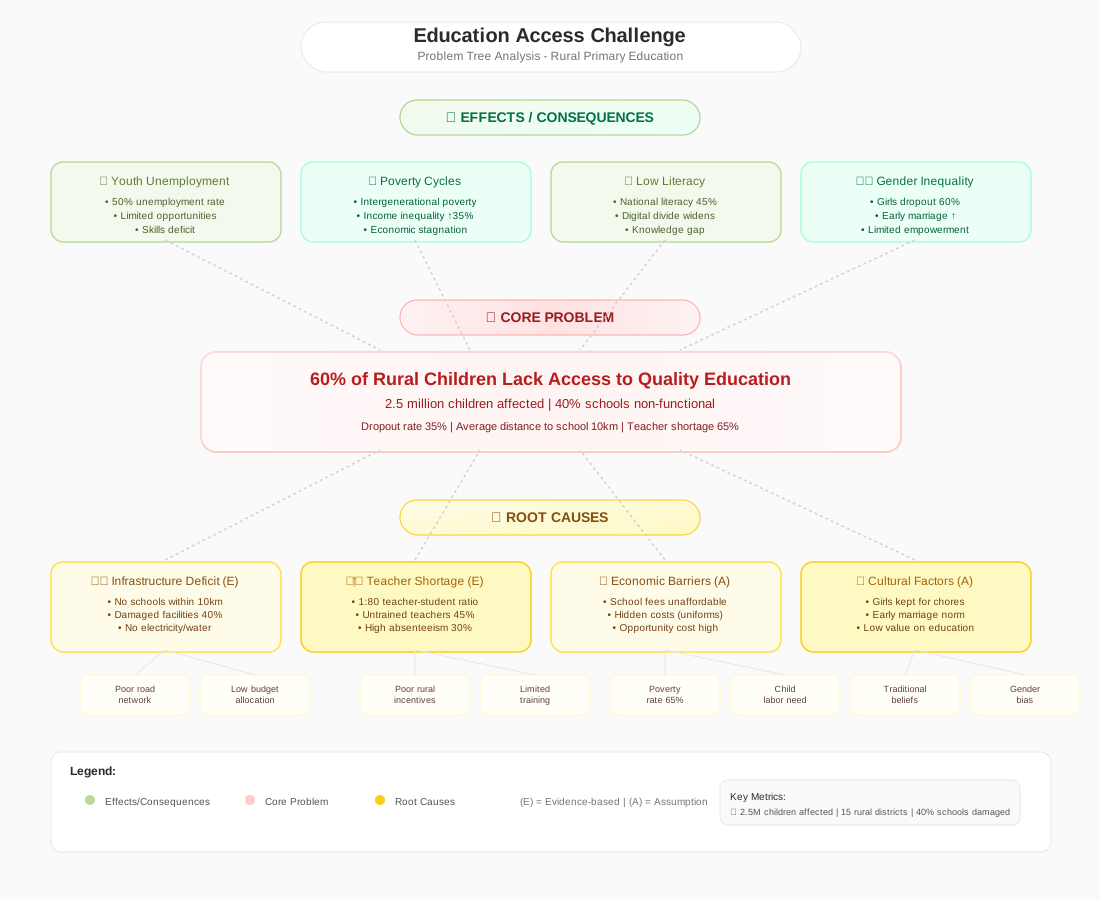
Problem Tree: Youth Unemployment Due to Skills Gap
🌿 EFFECTS
- Increased youth migration to urban areas (secondary)
- Social instability and crime rates (secondary)
- Lost economic productivity (primary)
- Youth frustration and disengagement (primary)
🌳 CORE PROBLEM Recent graduates in Eastern Uganda lack job-relevant skills, with 68% of youth aged 18-25 unemployed despite completing secondary education.
🌱 ROOT CAUSES
- Direct Causes:
- Outdated curriculum not aligned with market needs
- Limited practical skills training in schools
- Weak connections between schools and employers
- Underlying Causes:
- Rapid economic transformation without education system adaptation
- Limited private sector engagement in curriculum development
- Inadequate teacher training on modern skills requirements
Key Insights from This Example
- Specific population: Youth aged 18-25 in Eastern Uganda
- Measurable problem: 68% unemployment rate despite completing secondary education
- Context: Rapid economic transformation with static education system
- Clear cause-effect logic: Shows how curriculum gaps lead to unemployable graduates
🌍 Environmental Sector Example
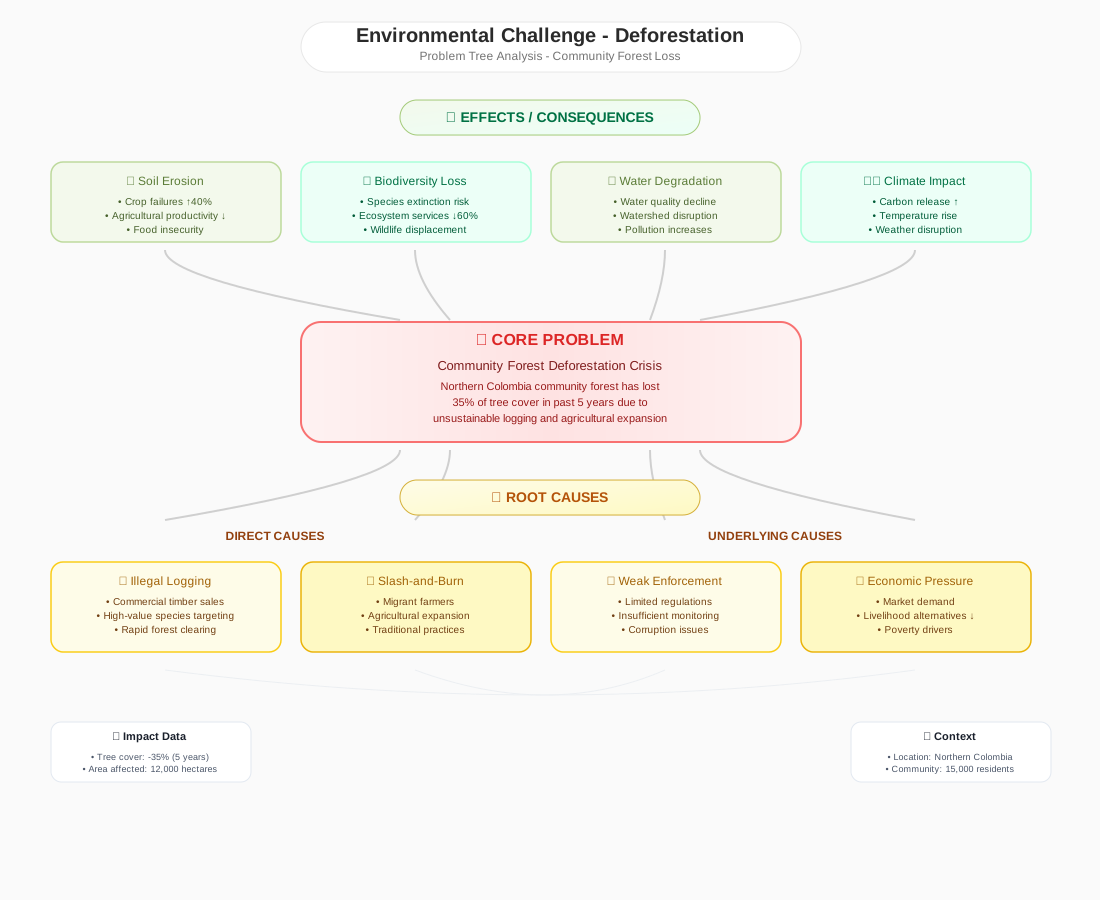
Problem Tree: Deforestation in Community Forest
🌿 EFFECTS
- Increased soil erosion and crop failures (primary)
- Loss of biodiversity and ecosystem services (primary)
- Reduced water quality and availability (secondary)
- Increased vulnerability to climate change (secondary)
🌳 CORE PROBLEM Community forest in Northern Colombia has lost 35% of tree cover in past 5 years due to unsustainable logging and agricultural expansion.
🌱 ROOT CAUSES
- Direct Causes:
- Illegal logging for commercial timber sales
- Slash-and-burn agriculture by migrant farmers
- Limited enforcement of forest protection regulations
- Underlying Causes:
- Lack of alternative livelihood options for community members
- Weak governance and corruption in forest management
- Market demand for cheap timber and agricultural products
Key Insights from This Example
- Specific population: Rural communities in Northern Colombia
- Measurable problem: 35% tree cover loss in 5 years across 12,000 hectares
- Context: Community forest under pressure from economic and regulatory factors
- Clear cause-effect logic: Shows how governance gaps lead to environmental degradation
💰 Economic Development Example
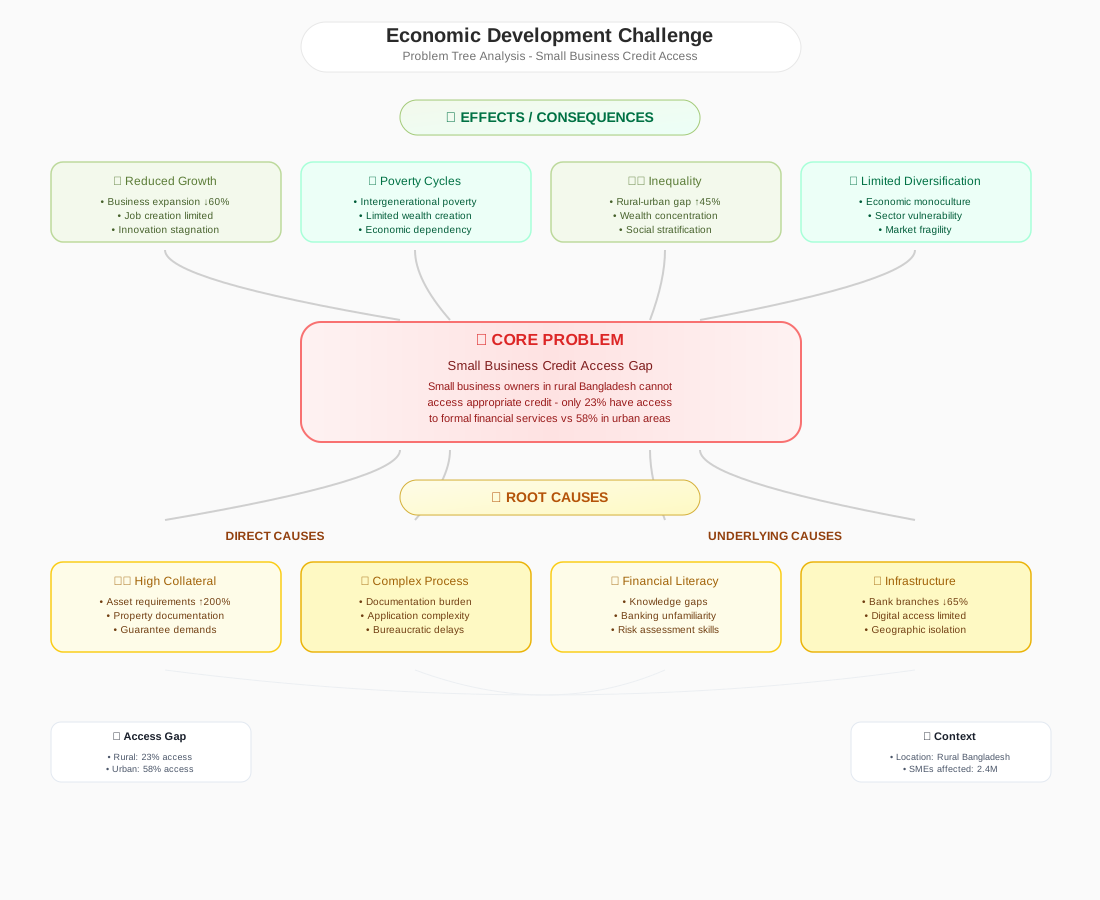
Problem Tree: Limited Access to Credit for Small Businesses
🌿 EFFECTS
- Reduced business growth and job creation (primary)
- Perpetuation of poverty cycles (secondary)
- Limited economic diversification (secondary)
- Increased inequality between rural and urban areas (secondary)
🌳 CORE PROBLEM Small business owners in rural Bangladesh cannot access appropriate credit, with only 23% having access to formal financial services compared to 58% in urban areas.
🌱 ROOT CAUSES
- Direct Causes:
- High collateral requirements from formal banks
- Complex application processes and documentation
- Limited financial literacy among business owners
- Underlying Causes:
- Banks’ risk-averse approach to rural lending
- Weak credit scoring systems for informal businesses
- Limited financial infrastructure in rural areas
Key Insights from This Example
- Specific population: Small business owners in rural Bangladesh
- Measurable problem: Only 23% access to formal financial services vs 58% in urban areas
- Context: Rural-urban disparity in financial services affecting 2.4M SMEs
- Clear cause-effect logic: Shows how financial exclusion perpetuates economic inequality
🌍 Climate Resilience Example
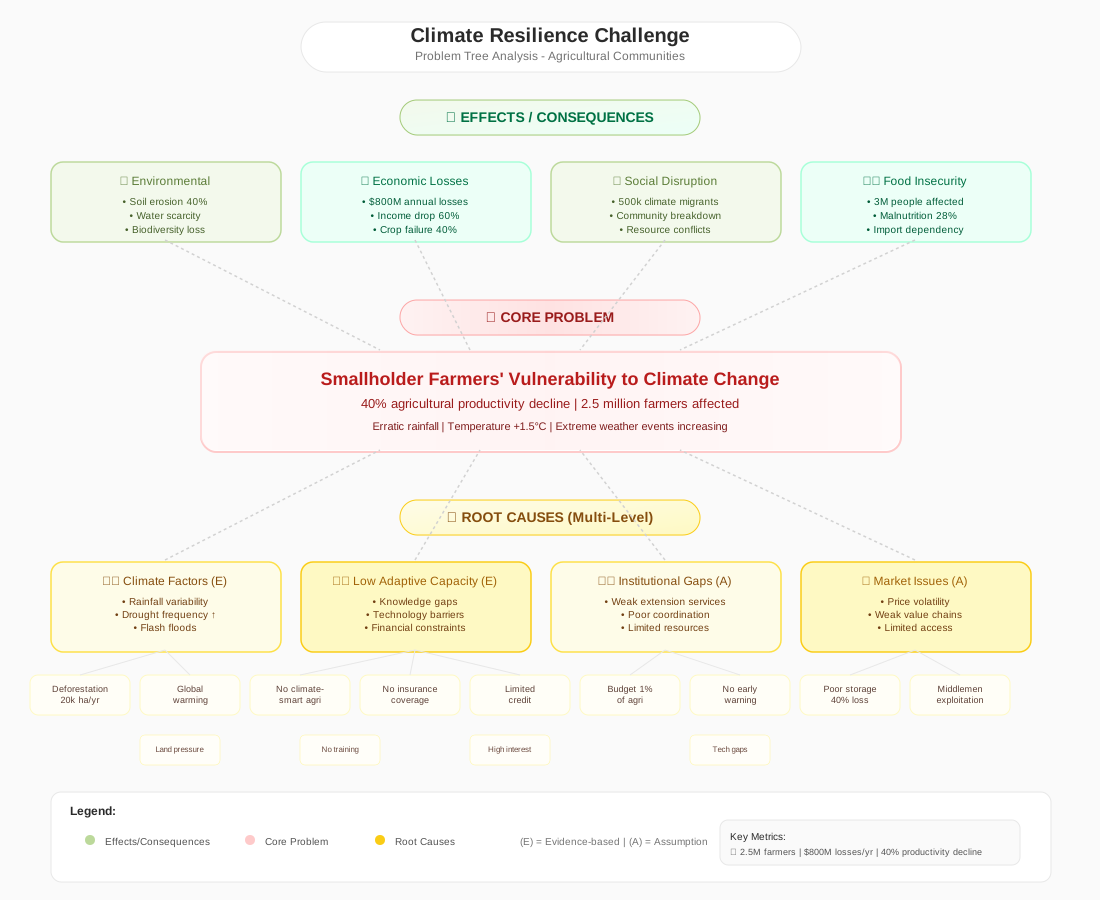
Problem Tree: Agricultural Vulnerability to Climate Change
🌿 EFFECTS
- Reduced crop yields and food insecurity (primary)
- Increased migration from rural areas (secondary)
- Loss of traditional farming knowledge (secondary)
- Economic hardship for farming communities (primary)
🌳 CORE PROBLEM Smallholder farmers in sub-Saharan Africa experience 30% crop yield losses due to increasing climate variability, affecting food security for 2.8 million people across 15 districts.
🌱 ROOT CAUSES
- Direct Causes:
- Limited access to climate-resilient seed varieties
- Inadequate water management and irrigation systems
- Lack of early warning systems for weather events
- Underlying Causes:
- Insufficient investment in climate adaptation infrastructure
- Limited technical knowledge on climate-smart agriculture
- Weak coordination between meteorological services and farmers
Key Insights from This Example
- Specific population: Smallholder farmers in sub-Saharan Africa
- Measurable problem: 30% crop yield losses affecting 2.8 million people
- Context: Increasing climate variability in agricultural regions
- Clear cause-effect logic: Shows how climate vulnerability cascades through food systems
⚖️ Gender Equality Example
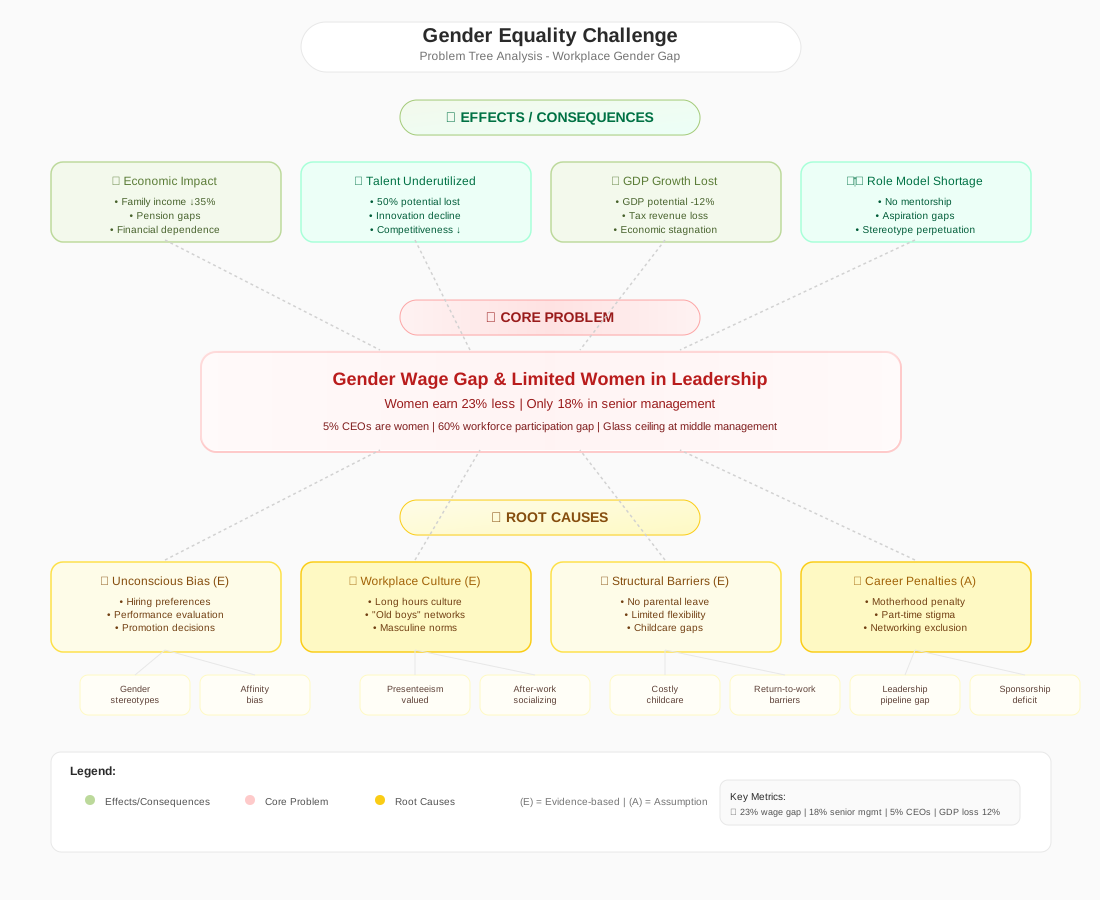
Problem Tree: Women’s Limited Leadership Participation
🌿 EFFECTS
- Reduced effectiveness of development programs (primary)
- Perpetuation of gender-based inequalities (secondary)
- Limited representation of women’s needs in policies (primary)
- Reduced community social capital (secondary)
🌳 CORE PROBLEM Women in rural South Asia hold only 15% of leadership positions in community organizations despite comprising 52% of the adult population, limiting their influence on local development decisions.
🌱 ROOT CAUSES
- Direct Causes:
- Cultural norms restricting women’s public participation
- Limited time due to unpaid domestic work burden
- Lack of confidence and leadership skills training
- Underlying Causes:
- Patriarchal social structures and traditional gender roles
- Lack of institutional support for women’s leadership
- Economic dependence limiting autonomy and mobility
Key Insights from This Example
- Specific population: Women in rural South Asia
- Measurable problem: Only 15% representation despite 52% population share
- Context: Traditional societies with limited women’s empowerment
- Clear cause-effect logic: Shows how systemic barriers limit women’s civic engagement
🏠 Urban Housing Example
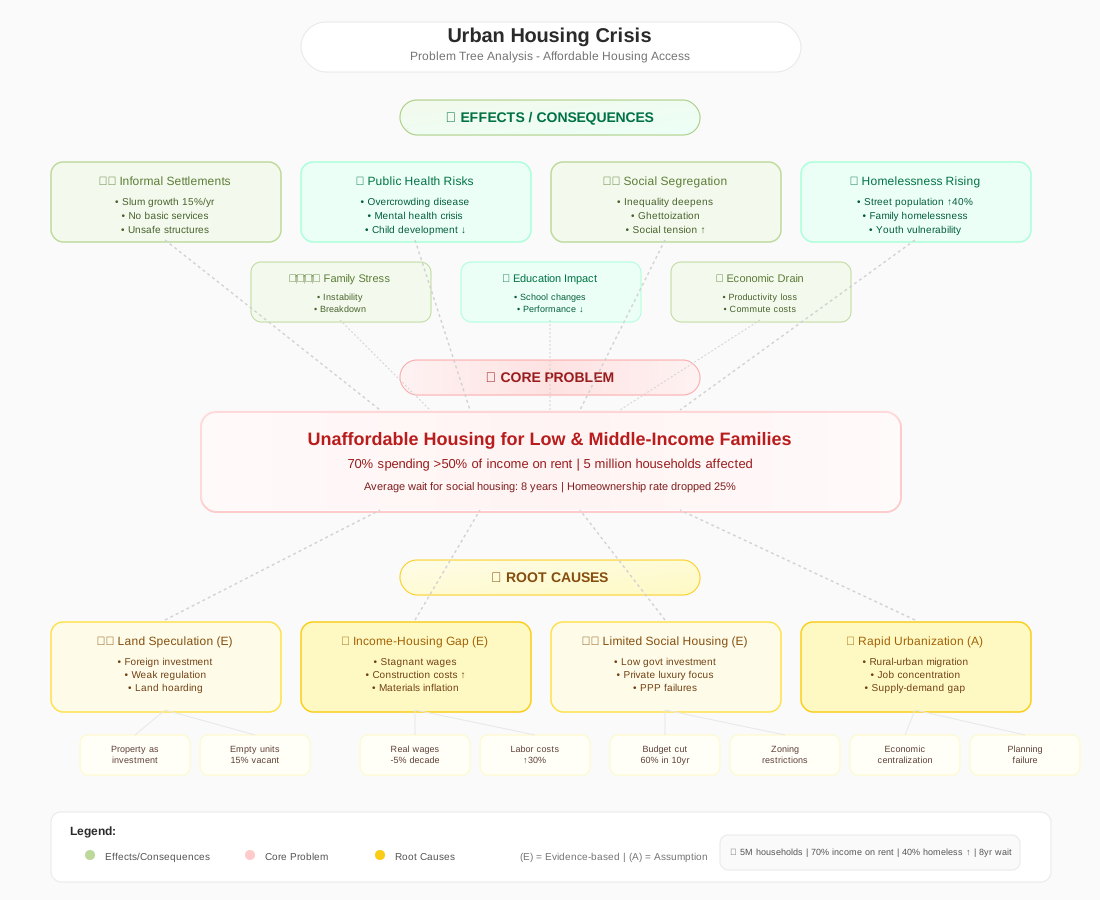
Problem Tree: Affordable Housing Shortage
🌿 EFFECTS
- Overcrowding and poor living conditions (primary)
- Increased health risks and disease transmission (primary)
- Reduced children’s educational performance (secondary)
- Social tension and community instability (secondary)
🌳 CORE PROBLEM Low-income families in urban Mexico face a housing affordability crisis, with 68% spending over 50% of income on housing costs, far exceeding the recommended 30% threshold.
🌱 ROOT CAUSES
- Direct Causes:
- Rapid urbanization outpacing housing supply
- High land prices in accessible urban areas
- Limited access to affordable mortgage financing
- Underlying Causes:
- Inadequate urban planning and zoning policies
- Insufficient government investment in social housing
- Speculative real estate investment driving up prices
Key Insights from This Example
- Specific population: Low-income families in urban Mexico
- Measurable problem: 68% spending over 50% of income on housing
- Context: Rapid urbanization with limited affordable housing supply
- Clear cause-effect logic: Shows how housing costs affect family welfare and stability
🚰 Water and Sanitation Example
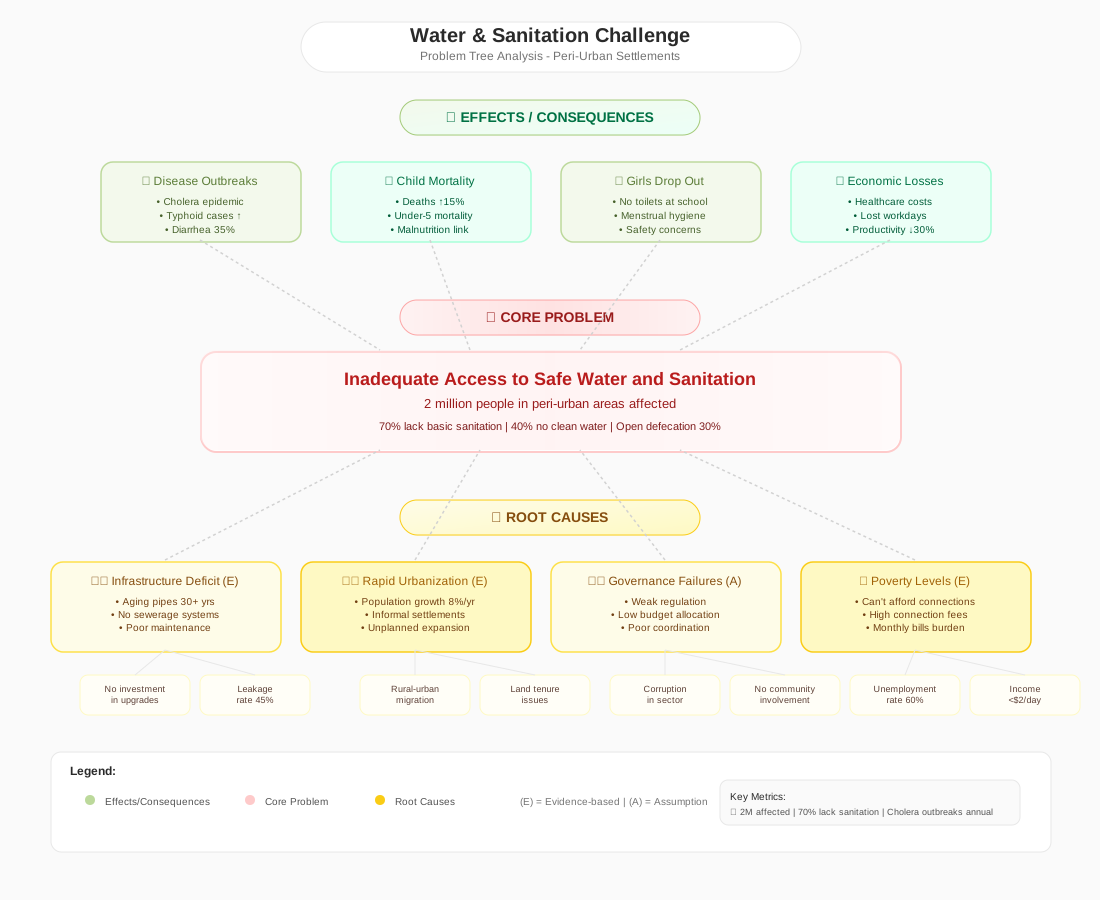
Problem Tree: Water, Sanitation and Hygiene (WASH) Access
🌿 EFFECTS
- High rates of waterborne diseases (primary)
- Increased child mortality and malnutrition (primary)
- Reduced school attendance, especially for girls (secondary)
- Economic burden from healthcare costs (secondary)
🌳 CORE PROBLEM Rural communities in West Africa lack access to clean water and improved sanitation, with only 35% having access to safe drinking water within 30 minutes of their homes, affecting 8.5 million people.
🌱 ROOT CAUSES
- Direct Causes:
- Broken or non-functional water infrastructure
- Lack of proper waste management systems
- Limited hygiene education and behavior change
- Underlying Causes:
- Insufficient government budget allocation for WASH services
- Weak maintenance systems and technical capacity
- Geographic isolation and difficult terrain for infrastructure
Key Insights from This Example
- Specific population: Rural communities in West Africa
- Measurable problem: Only 35% access to safe drinking water affecting 8.5M people
- Context: Rural areas with limited water infrastructure and maintenance
- Clear cause-effect logic: Shows how water access directly impacts health and development
💼 Youth Employment Example
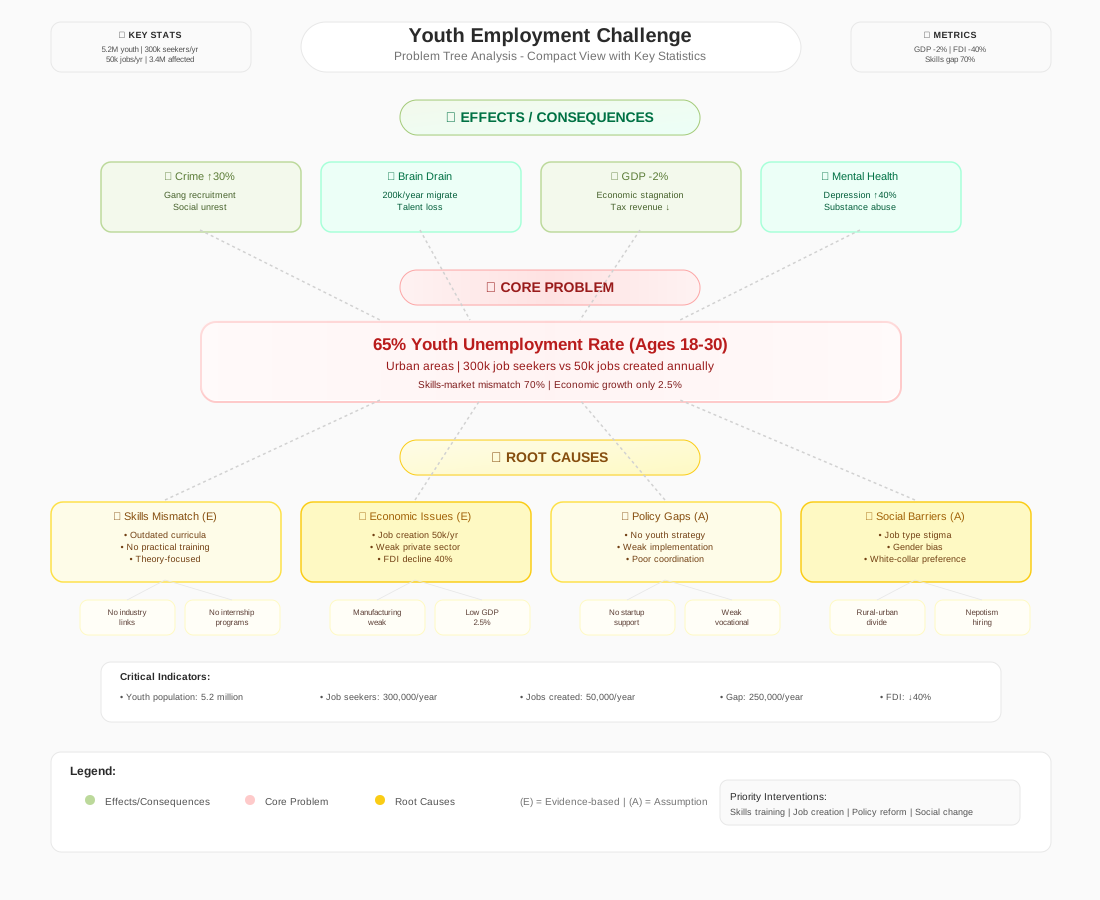
Problem Tree: Youth Economic Exclusion
🌿 EFFECTS
- Increased social unrest and political instability (secondary)
- Brain drain as educated youth migrate abroad (secondary)
- Reduced economic productivity and innovation (primary)
- Growing inequality and social fragmentation (primary)
🌳 CORE PROBLEM Young people aged 15-24 in Middle Eastern cities face unemployment rates of 42%, three times the adult rate, despite higher education levels and growing economic opportunities in the region.
🌱 ROOT CAUSES
- Direct Causes:
- Skills mismatch between education and job market needs
- Limited access to startup capital and entrepreneurship support
- Age discrimination in hiring practices
- Underlying Causes:
- Economic policies favoring established businesses over new entrants
- Weak linkages between educational institutions and employers
- Cultural preferences for government jobs over private sector employment
Key Insights from This Example
- Specific population: Young people aged 15-24 in Middle Eastern cities
- Measurable problem: 42% unemployment rate, three times the adult rate
- Context: Urban areas with economic growth but limited youth inclusion
- Clear cause-effect logic: Shows how systemic barriers exclude youth from economic opportunities
🛠️ Template Customization Guide
Step 1: Define Your Context
- Geographic scope: Country, region, community level
- Time frame: How recent is your data?
- Population: Who specifically is affected?
- Scale: How many people/what area?
Step 2: Research Your Problem
- Quantitative data: Statistics, surveys, official reports
- Qualitative insights: Interviews, focus groups, observations
- Secondary sources: Academic research, government reports, NGO studies
- Stakeholder perspectives: Different viewpoints on the same issue
Step 3: Structure Your Analysis
- Start with the core problem - write it clearly and specifically
- Work downward to identify root causes (ask “why” repeatedly)
- Work upward to identify effects (ask “what happens because of this”)
- Validate each connection - can you prove the causal relationship?
Step 4: Quality Check
- Is each element specific and measurable?
- Do the causal connections make logical sense?
- Have you separated symptoms from root causes?
- Is there evidence to support each element?
🚀 Next Steps
- Review the sector examples above to find the most relevant to your work
- Use the embedded template to structure your own problem tree analysis
- Complete your first draft problem tree following the customization guide
- Move to 🛗 Accessibility Companion to ensure inclusivity
- Use ❓ Brainstorming Questions to refine your analysis
Remember: A good problem tree is the foundation for everything else in your project design. Take time to get it right, and don’t hesitate to iterate based on new evidence and stakeholder feedback.